

 By ECO Green House
A commercial greenhouse cost breakdown should show more than the price of the frame. Covering, growing systems, site preparation, installation and utilities can sit in separate quotations. A low headline price is useful only when you understand what it includes.
This guide explains how to organize a greenhouse project budget, compare quotations on the same basis and prepare the information ECO Green House needs to discuss your requirements.
Start with the Project Scope
Define your crop, location, growing area and production season before comparing prices. A seasonal vegetable house and a year-round hydroponic facility may cover the same footprint but need different equipment. Separate the greenhouse floor area from usable crop space: aisles, service areas and nursery zones affect the layout.
When exploring commercial greenhouse options, write down the required structure, covering and systems. Ask each supplier to price that same specification.
1. Frame, Foundations and Covering
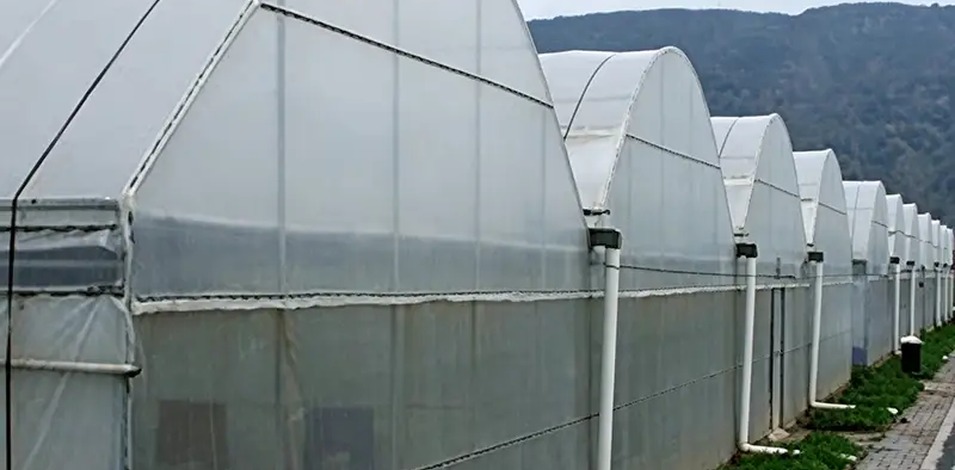
The structure package may include columns, roof members, gutters, connectors, doors and covering supports. Check the span, bay spacing, eave height, steel specification and design loads. Similar-looking structures are not necessarily equivalent.
For a multi-span greenhouse, confirm gutter drainage, connection details and the foundations required by the design. Ask whether anchor bolts and foundation drawings are supplied, and who provides concrete and local construction work.
Covering costs should identify film, glass or polycarbonate, together with fixing profiles, seals and installation accessories. Include replacement planning in your budget rather than considering the initial covering purchase alone.
2. Climate Control Equipment
List ventilation, circulation fans, cooling, heating, shading and thermal screens separately. The required package depends on outdoor conditions, crop needs and the intended operating season. Specifying equipment without these inputs makes quotations difficult to compare.
Ask for equipment quantities, capacity assumptions and the control arrangement. Clarify whether motors, sensors, electrical panels and installation wiring are included. The purchase price and the electricity or fuel needed to operate the system belong in different budget columns.
3. Irrigation and Growing Systems
Irrigation may involve storage tanks, pumps, filters, distribution pipes, emitters and a fertigation unit. Check the water source and required flow before choosing the equipment. Collection and treatment of return water, where required, should be explicitly priced.
A hydroponic greenhouse also needs a defined growing-system scope. Channels, gutters, benches, substrate containers, nutrient tanks and monitoring equipment should appear as named items. Confirm the number of growing positions and what consumables are excluded.
4. Site Work, Utilities and Installation
A greenhouse supply quotation may exclude grading, drainage, access roads, utility connections and supporting buildings. Obtain local estimates for these items before treating the equipment quotation as the total project cost.
Installation should identify who provides labor, lifting equipment, tools and supervision. If remote guidance is offered, confirm which drawings and instructions are supplied. Allow for unloading, secure storage and access around the construction area.
5. Freight, Commissioning and Spare Parts
Confirm the delivery point and whether freight, insurance, local handling and inland transport are included. Have destination-specific import charges checked before committing to a landed budget. Component supply and delivery to an operating greenhouse are different scopes.
Ask whether commissioning includes vent operation, pump checks, sensor setup and control testing. List manuals, operator instruction and initial spare parts. Replacement seals, connectors and other service items can be easier to plan before the first crop is installed.
A Practical Quote Comparison Checklist
Compare the written scope before comparing the total. Use the following questions to identify missing items:
- Are the greenhouse dimensions, growing area and design assumptions identical?
- Are the covering specification and fastening accessories clearly listed?
- Are climate and irrigation equipment quantities stated?
- Who pays for foundations, utilities, wiring and installation labor?
- Where does the supplier’s delivery responsibility end?
- Are commissioning, documentation and spare parts included?
- What is excluded, and how long is the quotation valid?
If prices are stated per square meter, confirm the area used in the calculation. Compare the same currency, delivery basis and equipment scope. A more detailed quotation helps explain a price difference; it does not automatically make one supplier the better choice.
Keep Operating Costs Separate
Prepare a second budget for labor, electricity, heating fuel, water, crop inputs, cleaning and maintenance. These costs continue after construction. Use local tariffs, your cropping calendar and equipment requirements rather than assuming a universal operating cost.
Greenhouse energy planning also considers covering, insulation, heating, ventilation and maintenance. UMass Extension’s greenhouse energy guidance provides background on these relationships. Its historical prices and savings examples should not be treated as a current project quotation.
Frequently Asked Questions
Can a frame-only price estimate the whole project?
It estimates only the stated supply scope. Add covering, growing equipment, local works, installation and delivery costs where these are excluded.
Does a larger greenhouse always cost less per square meter?
No. Scale can change how shared costs are distributed, but specifications, site conditions and equipment requirements still determine the quotation.
Should every greenhouse include the same climate equipment?
No. Start with the location, crop and production season, then define the environmental requirements. Compare suppliers against that agreed scope.
Prepare Your ECO Green House Enquiry
Send your country, project location, crop, proposed growing area, preferred covering and available water and electricity information. Include the intended production season, equipment priorities and delivery destination. Photos or a basic site layout can help explain access and space constraints.
Contact ECO Green House to discuss your project requirements and request a quotation with a clear equipment scope.

Greenhouse Project News
Join ECO Green House updates for greenhouse structures, covering options, cultivation systems and practical project planning information.


