

 By ECO Green House
Turnkey is a scope description that needs a written definition. Before comparing greenhouse packages, establish where the supplier's responsibility starts and ends, from site preparation to equipment commissioning and operator training.
Use this guide when reviewing a commercial greenhouse proposal or checking an existing installation.
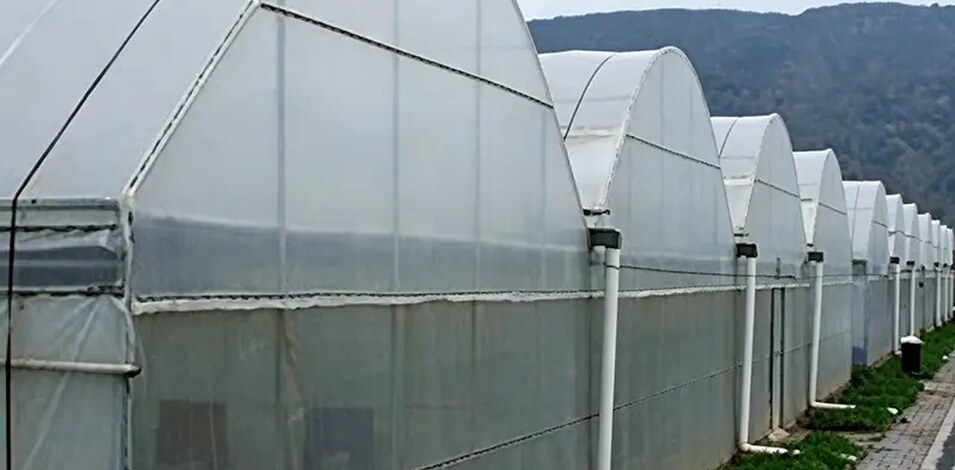
Draw the Project Boundary
List the greenhouse structure, covering and growing equipment, then identify external work such as grading, foundations, utility connections and access roads. Ask who supplies each item and who installs it. A package described as turnkey can still exclude local civil works or electrical connections. Use a responsibility matrix so no essential activity sits between the supplier and local contractor without an owner.
Define the Growing and Climate Systems
Specify the crop and production plan, then list ventilation, cooling, heating, screens, irrigation and controls separately. Confirm whether nutrient mixing, water treatment, benches or hydroponic equipment are included. Quantity and capacity assumptions should be visible. A complete greenhouse shell and a crop-ready facility are different scopes, even if the two proposals use the same marketing description.
Clarify Delivery and Installation
Ask about packaging, unloading, storage, lifting equipment, labour and supervision. Distinguish an installation service from remote guidance or a visiting technical adviser. State who provides local tools and utilities during construction. Confirm the sequence and documents needed before the installer arrives. These details affect both the budget and the site's ability to receive equipment without damage or delay.
Include Commissioning and Training
Identify which functions will be tested, what records will be supplied and how defects will be resolved. Training should cover normal operation, alarms, isolation and routine maintenance. Request manuals, final drawings and equipment references in a usable format. Treat commissioning as a named work package with acceptance criteria, rather than a general promise to make the greenhouse ready.
Keep Commercial Terms Linked to Scope
Review payment milestones, change procedures and the definition of completion with appropriate contract advice. Separate optional items from the base package and record exclusions clearly. The technical comparison should be finished before a low headline price influences the decision. A useful turnkey quotation allows the buyer to trace every essential activity to a named deliverable and responsible party.
Buyer’s Review Checklist
Before approving the scope, confirm the following points in the drawings, quotation or handover records:
- Supply and installation responsibility matrix
- Local civil and utility exclusions
- Named climate and growing equipment
- Commissioning tests and training
- Final drawings, manuals and spare-part references
Frequently Asked Question
Does turnkey include permits and local approvals?
Only if the written scope explicitly says so and identifies the responsible parties. Ask which approvals and documents are needed at the project location. Do not assume a greenhouse supply package includes every local administrative or engineering requirement.
Prepare a Clear Project Enquiry
Send ECO Green House your location, crop, growing area and the details relevant to turnkey commercial greenhouse project. Include existing drawings or equipment references where available, and identify which items need supply, installation or technical review. A clear brief makes it easier to discuss the required scope and resolve exclusions.
For the wider budget, read our commercial greenhouse cost breakdown. To discuss your project requirements, contact ECO Green House.

Greenhouse Project News
Join ECO Green House updates for greenhouse structures, covering options, cultivation systems and practical project planning information.


